Dust mites are one of the quietest bedroom problems because you usually do not notice them until they start affecting sleep, congestion, or morning sneezing. The practical answer to how to get rid of dust mites in a mattress is not one dramatic deep clean; it is a combination of hot washing, a true allergen-proof encasement, and humidity control. That matters because the mattress is where exposure repeats night after night, so small changes there pay off quickly.
The quickest wins are sealing the bed and drying the room
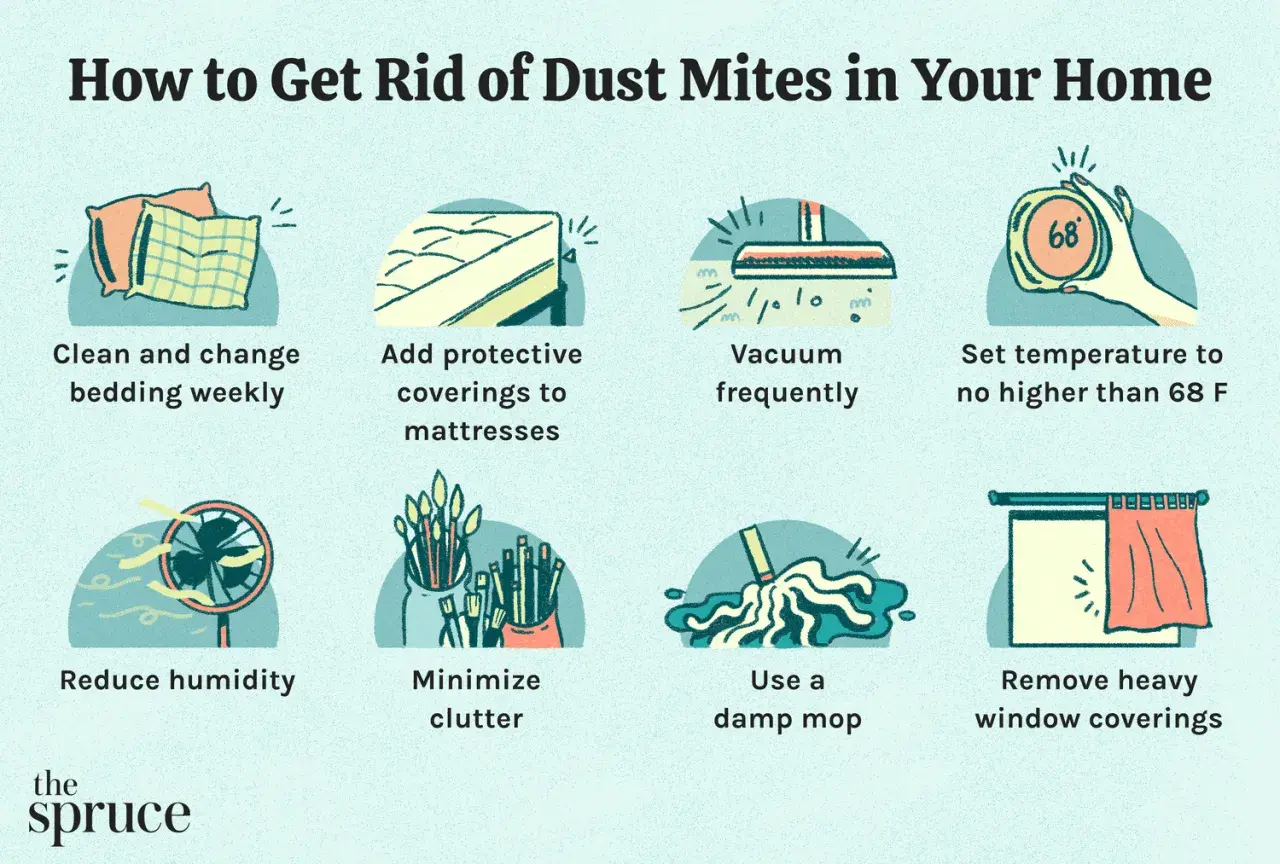
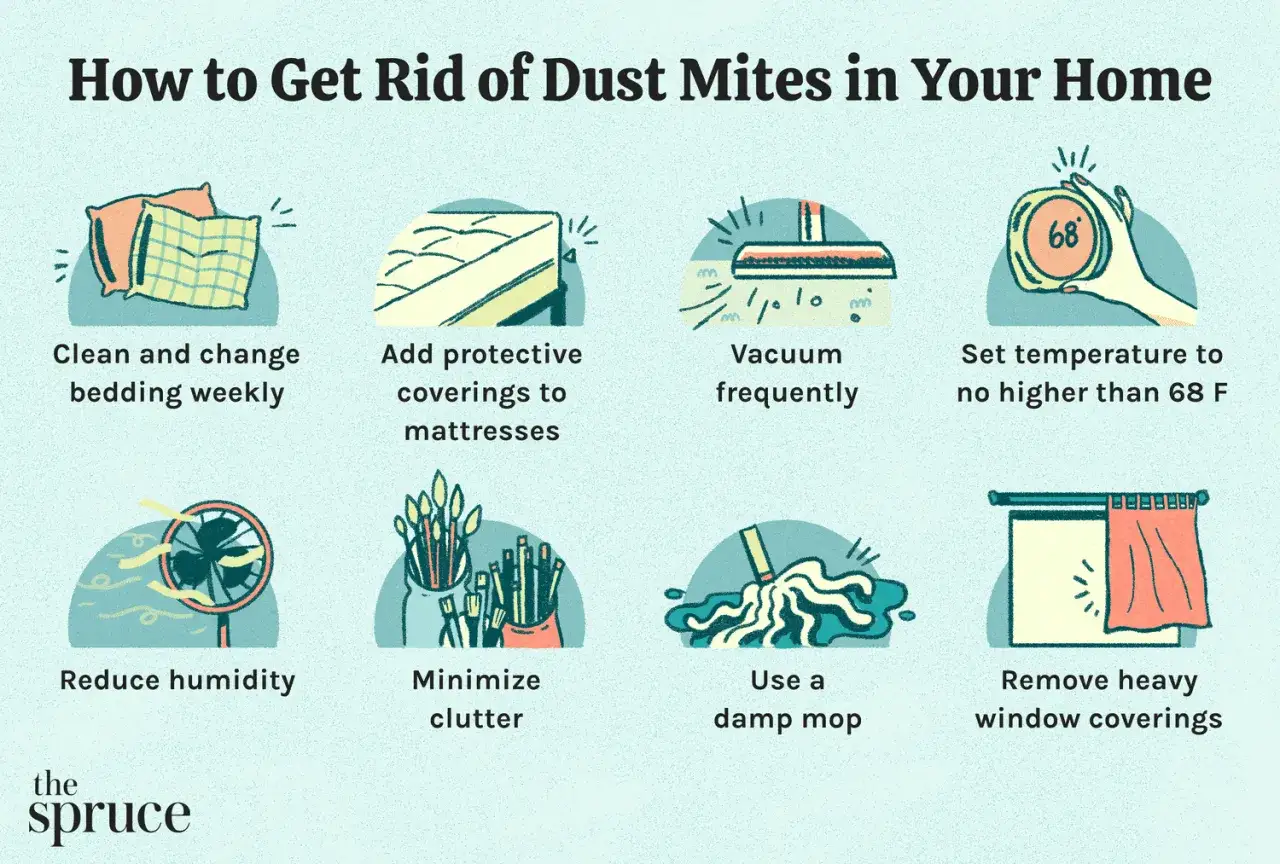
- Use an allergen-proof encasement on the mattress, pillows, and box spring so mites and allergens stay contained.
- Wash bedding weekly in water at 130°F (54°C) or hotter, then dry it completely on high heat.
- Keep indoor humidity between 30% and 50%; above that range, dust mites have an easier time surviving.
- Vacuum with HEPA filtration and clean seams, bed frames, and floor edges instead of only the visible surface.
- Avoid humidifiers, down bedding, and scented sprays as your main strategy; they do not solve the root problem.
Why the mattress is the right place to start
Dust mites do not live in a mattress because it looks dirty; they live there because it gives them warmth, moisture, and a steady food source from shed skin flakes. Their allergen is found mostly in their waste and body fragments, which is why the problem is about exposure, not just visible cleanliness.
I start with the mattress before I touch the rest of the room because you cannot wash the core of a mattress the way you wash sheets. If the mattress keeps holding moisture and dust, it keeps feeding the cycle even when the bedroom looks neat. That is why a one-time clean rarely feels like enough, and a routine matters more than a single product.
Once you understand that, the next step is to build a cleaning pattern that attacks the habitat, not just the surface.
The mattress-cleaning routine that actually works
Mayo Clinic notes that washing bedding in water at 130°F (54°C) or hotter helps kill dust mites and remove allergens, and that is still the temperature I would treat as the practical baseline. I also prefer to think in weekly and monthly tasks, because that is what keeps the problem from rebuilding.- Strip the bed once a week and wash sheets, pillowcases, blankets, and washable mattress pads in hot water. If a fabric cannot handle heat, dry it on high heat first, then wash it as soon as possible so allergen load drops quickly.
- Vacuum the mattress seams and the bed frame with a HEPA-filter vacuum or a machine with a double-layer bag. Go slowly along the piping, tufts, and edges, because that is where dust tends to settle.
- Let the mattress air out briefly if the room is dry, then cover it again as soon as it is completely dry. I do not want extra moisture sitting in the bed after cleaning.
- Wash or replace pillows and comforters on a schedule that matches their care labels. If an item cannot be laundered often, it should at least be fully encased or replaced with a washable alternative.
The key is consistency. A weekly reset is far more effective than an occasional deep scrub that takes the whole weekend and then gets forgotten. Once that habit is in place, the next thing that usually undermines progress is a set of small mistakes.
Common mistakes that keep dust mites coming back
In practice, I see the same few errors over and over. None of them looks dramatic on its own, but together they keep dust mite exposure high enough to matter.
- Using a regular mattress protector instead of an allergen-proof encasement. A waterproof protector helps with spills, but it does not necessarily block mites and allergens from the mattress fill.
- Washing bedding in cool water only. Cool water can remove some dust, but it does not do enough to reduce the mite load in bedding that has already accumulated allergens.
- Forgetting pillows and the box spring. If only the mattress is covered, the rest of the bed can still hold a large amount of allergen.
- Adding humidity back into the room. A humidifier may feel helpful for dry air, but it usually makes life easier for dust mites if the room already sits on the damp side.
- Relying on sprays or powders as the main fix. They can be tempting because they feel immediate, but they rarely change the bedroom environment in a durable way.
Removing those mistakes makes the rest of the bedding setup much more effective, which is why I pay so much attention to the cover itself.
The cover matters more than the label on the package
| Item | What it does well | Where it falls short | My take |
|---|---|---|---|
| Allergen-proof mattress encasement | Blocks mites and allergen movement through the mattress and keeps the fill contained | Only works if it zips fully and stays on continuously | Best first purchase for anyone serious about mattress control |
| Allergen-proof pillow encasement | Protects the fill where your face spends hours every night | Still needs a washable pillowcase on top | High value because pillows are often overlooked |
| Regular waterproof protector | Helps against sweat and spills | May not block allergens unless it is specifically designed to do so | Useful, but not enough by itself |
| Washable synthetic comforter | Easier to clean often and more practical for allergy control | Needs a regular washing schedule | Better than bulky bedding that traps dust |
| Down or feather bedding | Feels warm and comfortable | Harder to wash and can be a poor fit for sensitive sleepers | I would usually skip it if allergies are part of the problem |
The AAAAI and Mayo Clinic both point to the same core idea here: encase the bed, wash bedding hot, and keep humidity low. That combination does more than most single products ever will, because it changes how the mattress behaves day to day. With that in mind, the bedroom climate becomes the next big lever.
Humidity is the part most people miss
Dust mites thrive in warm, humid environments, which is why a dry bedroom is a less hospitable one. The CDC and AAAAI both steer people toward low indoor humidity, roughly in the 30% to 50% range, and I would treat that as a practical target rather than a suggestion you can ignore.
- Use a dehumidifier or air conditioning if the room regularly feels damp.
- Check the humidity with a hygrometer so you are not guessing based on comfort alone.
- Fix leaks and condensation quickly because water intrusion can turn a mattress problem into a mold problem too.
- Keep bedroom clutter down so dust has fewer places to build up around the bed.
- Avoid overusing humidifiers unless there is a separate medical reason and you can still keep the room in a safe range.
If your room stays below 50% most of the time, the rest of your mattress routine works better. If it does not, the mites keep finding the kind of environment they like, even when the bed itself is covered. When cleaning still does not solve the issue, I stop assuming the mattress is the only culprit.
When cleaning is not enough
Sometimes the mattress is only part of the story. If the mattress is old, sagging, water-damaged, or has a persistent musty smell, I would take that seriously and think about replacement rather than trying to nurse it back into shape. A damaged mattress can hold moisture and debris in a way that makes dust mite control much harder.
It is also worth stepping back if symptoms keep showing up even after you improve the bedding. Morning congestion, sneezing, itchy eyes, or nighttime wheezing can also come from pet dander, mold, or pollen that settles in the same bedroom. In that situation, an allergist can help confirm whether dust mites are really the trigger and whether you need more than home control alone.
I also would not treat a severe asthma flare or breathing trouble as a housekeeping problem. If symptoms cross that line, the right next move is medical advice, not another cleaning product. That distinction matters, because the bedroom should support sleep, not become a source of uncertainty.
For most people, though, the answer is less dramatic than they expect: a better encasement, better washing, and a drier room.
A routine I would keep for the long run
If I were setting up a bedroom for the lowest practical dust mite load, I would keep the routine simple enough to repeat without thinking about it. The goal is not perfection; it is consistency that survives a busy week.
- This weekend install a true allergen-proof mattress encasement, cover the pillows, wash all bedding hot, and vacuum the mattress seams.
- Every week wash sheets, pillowcases, and blankets in hot water and dry them completely before remaking the bed.
- Every day keep the room dry, avoid adding moisture with a humidifier unless it is genuinely needed, and let the bed fully dry if you have just cleaned it.
- Every month inspect zippers and seams, vacuum the bed frame and floor edges, and check the humidity reading so the room stays in the right range.
That is usually enough to turn the mattress from a constant trigger into a manageable part of the room. If I had to rank the steps, I would put encasement first, hot laundering second, and humidity control third; everything else supports those three.