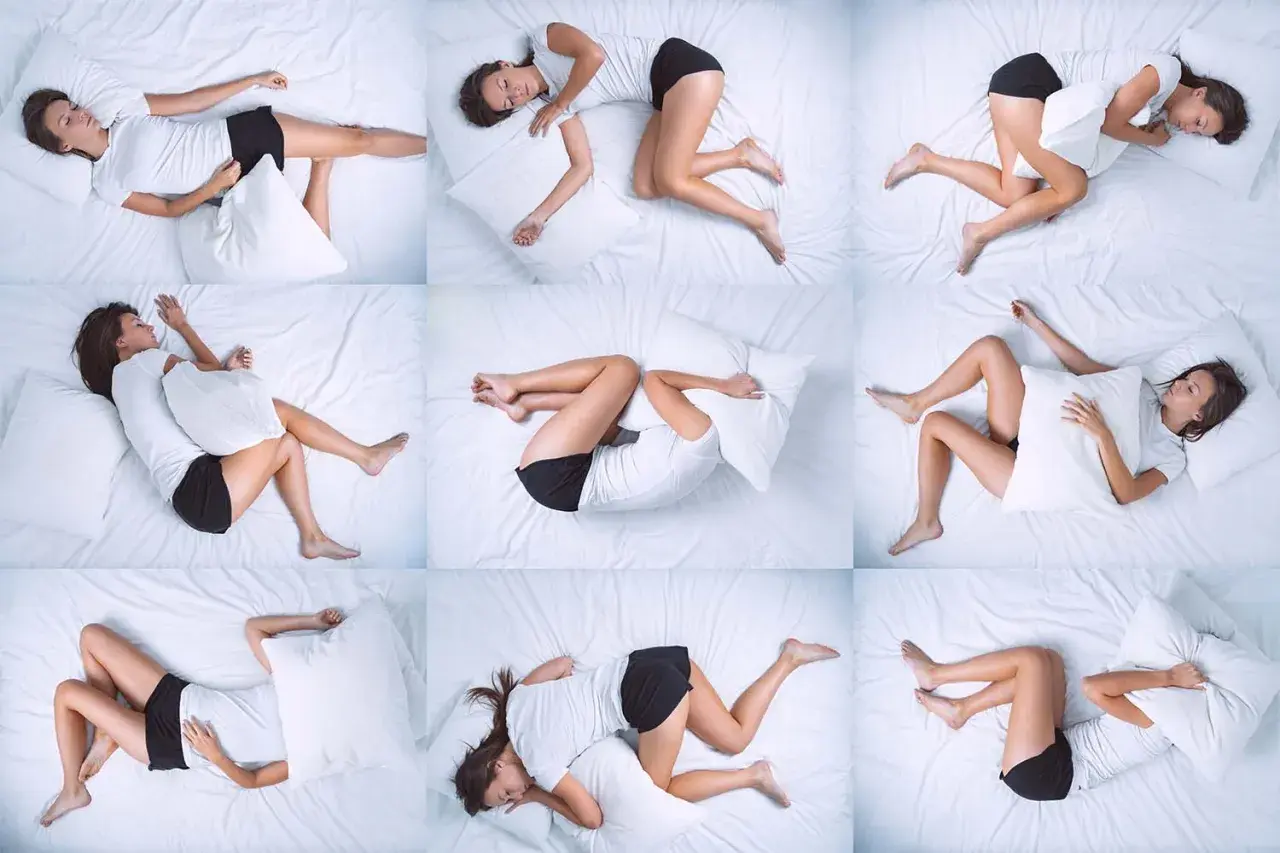
Restless sleep is usually a sign that something is interrupting sleep continuity, not just that you are a light sleeper. Frequent tossing and turning at night can come from stress, an overstimulated bedroom, pain, reflux, restless legs, sleep apnea, or a true insomnia pattern. I focus on the clues that separate a one-off bad night from a problem worth treating, and on the changes that usually help fastest.
These are the clues that matter most when sleep keeps breaking up
- Restlessness is a symptom, not a diagnosis. The cause may be insomnia, a movement disorder, breathing trouble, pain, or the sleep environment.
- Leg discomfort that improves with movement points more toward restless legs syndrome than ordinary insomnia.
- Snoring, gasping, morning headaches, or daytime sleepiness raise concern for sleep apnea.
- Cooler, darker, quieter bedrooms and better bedtime timing often make a bigger difference than people expect.
- If the pattern repeats three or more nights a week for three months, it deserves a real evaluation.
- Fix the likely driver first. The right treatment is very different for stress-related insomnia, leg movement, and breathing-related sleep disruption.
What restless sleep is really telling you
I start by separating restlessness from insomnia. Insomnia is about trouble falling asleep, staying asleep, or getting restorative sleep; restlessness can be part of insomnia, but it can also come from movement disorders, breathing disorders, or physical discomfort.
That distinction matters because the wrong fix wastes time. If your mind is racing, the strategy is different from a leg urge that eases only when you walk around, and both are different from a sleeper who keeps rolling because breathing is briefly interrupted.
In other words, the symptom tells me where to look next, not what the final diagnosis is. Once you can name the pattern, the causes get much easier to sort, and that is where a practical plan begins to take shape.
The most common reasons people keep shifting through the night
The useful question is not only how often you wake up, but what your body is doing when you wake. A short comparison usually reveals more than a vague complaint of “bad sleep.”
| Pattern | What it usually feels like | Best first move |
|---|---|---|
| Stress or insomnia | Racing thoughts, clock-watching, trouble falling back asleep, worse after a difficult day or schedule change | Regular sleep timing, less awake time in bed, and CBT-I if the pattern keeps repeating |
| Restless legs syndrome | An urge to move the legs, creepy-crawly or pulling sensations, symptoms worse at rest and in the evening | Medical review, trigger review, and often an iron check |
| Periodic limb movements | Repetitive kicking or jerking during sleep, often noticed by a bed partner more than by the sleeper | Sleep evaluation to rule out related causes, especially restless legs or sleep apnea |
| Sleep apnea | Snoring, gasping, dry mouth, morning headaches, unrefreshing sleep, frequent micro-awakenings | Sleep testing and treatment if breathing pauses are confirmed |
| Pain, reflux, or overheating | Soreness, heartburn, pressure points, sweating, or a sense that every position is wrong | Treat the underlying issue and reduce bedroom heat or pressure |
| Caffeine, alcohol, or medication timing | Sleep that starts but does not stay stable, especially after late stimulants or a recent medicine change | Adjust timing and review the medicine list with a clinician if the problem persists |
If one row keeps matching your nights, do not treat the symptom in isolation. The cause usually becomes obvious once you map the pattern over a week or two, and that is much more useful than guessing based on how tired you feel the next morning.
What I change first in the bedroom
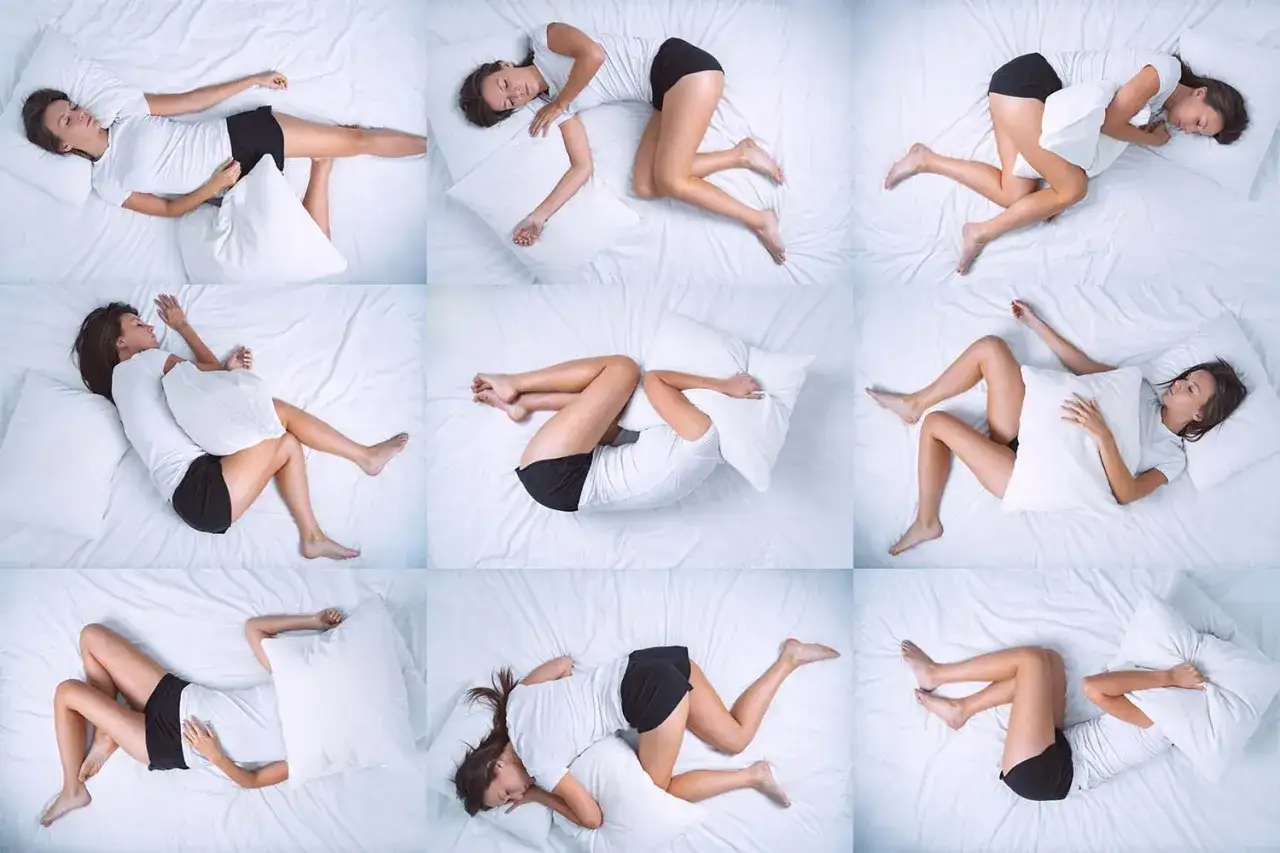
When I am troubleshooting restless nights, I start with the room because it is the lowest-friction variable to control. A supportive bed and a quieter, darker space will not cure every sleep disorder, but they often reduce the amount of time spent half-awake and re-settling.
- Keep the room cool. Many people sleep better on the cooler side, often around 60 to 67 F, because heat makes it harder to stay settled.
- Reduce light aggressively. Blackout curtains, an eye mask, and dim lighting during the last hour can cut down on micro-awakenings.
- Protect the bed from alertness. If the mattress is also your office, streaming room, and social space, the brain stops linking it with sleep.
- Time stimulants with more care than most people do. The NHLBI notes that caffeine can affect sleep for up to 8 hours, so an afternoon coffee can still matter at midnight.
- Keep late meals lighter. A heavy dinner, reflux, or bloating can make every position feel uncomfortable once you lie down.
- Use the 20-minute rule. If you stay awake and frustrated for too long, get up and do something quiet in low light until sleepiness returns.
A better mattress is useful, but it is not a cure-all. If breathing pauses, leg-driven movement, or anxiety are the real drivers, no amount of pillow shopping will solve the underlying sleep disruption on its own. That is why the next step is to look at the disorder pattern itself.
How I tell insomnia apart from restless legs and sleep apnea
This is where the label starts to matter. Different disorders can all look like “bad sleep” from the outside, but the details are very different once you listen closely.
Insomnia
If the core complaint is trouble falling asleep, staying asleep, or waking too early, and it happens three or more nights a week for three months or longer, the pattern starts to look like chronic insomnia. Stress, rumination, shift work, pain, medicines, and mood symptoms often sit underneath it.
In practice, I would rather see someone work on insomnia with CBT-I than rely on random sleep aids. CBT-I, or cognitive behavioral therapy for insomnia, is a structured approach that retrains sleep habits and reduces the arousal loop that keeps the brain on alert at bedtime.
Restless legs and periodic limb movements
RLS is the one I think about when there is an urge to move the legs, creepy-crawly sensations, and temporary relief from walking or stretching. It is a sleep-related movement disorder, which means the movement is part of the problem rather than a side effect of being uncomfortable in bed.
Periodic limb movements are different. These are repetitive kicks or jerks during sleep, often noticed first by a bed partner. You may not feel the movement as clearly while awake, but it can still fragment sleep enough to leave you exhausted the next day.
When the legs are involved, I also pay attention to iron status, medication changes, and whether the symptoms are worse in the evening. That combination often tells you more than a generic report of “I keep moving around.”
Read Also: Plywood Under Mattress for Back Pain - Does it Really Help?
Sleep apnea
If the restlessness comes with snoring, gasping, witnessed pauses in breathing, dry mouth, or morning headaches, I think about sleep apnea. This is a breathing disorder, so the body may be waking up to restart airflow rather than because of stress or ordinary discomfort.
People sometimes describe this as sleeping lightly, but the real issue is fragmented sleep caused by repeated breathing events. If a partner has noticed loud snoring followed by quiet pauses or choking sounds, I would take that seriously and move evaluation up the list.
Once the pattern is clear, the next question is not “How do I stop moving?” It is “What is making sleep unstable in the first place?”
When the sleep problem deserves medical attention
A lot of people wait too long because they assume poor sleep is just stress. I would treat it as worth evaluating when the pattern is frequent, the daytime cost is obvious, or the symptoms point toward a specific sleep disorder.
- It happens three or more nights a week for three months. That is the point where chronic insomnia enters the conversation.
- You feel unsafe or impaired during the day. Foggy thinking, irritability, sleepiness while driving, or near-misses at work are not small issues.
- You snore, gasp, or stop breathing during sleep. Those are classic reasons to screen for sleep apnea.
- Your legs feel impossible to keep still at night. That is a strong clue for restless legs syndrome or a related movement problem.
- The timing lines up with pain, reflux, anxiety, or a new medicine. Sleep problems often have a medical or medication-related trigger.
At the visit, I would expect a clinician to focus on your sleep schedule, the exact symptoms you notice, what a bed partner sees, and any medications or substances that could be contributing. A sleep diary for one to two weeks is often helpful because it turns a vague complaint into a clear pattern.
If your restless sleep is paired with chest pain, severe shortness of breath, or sudden confusion, that is not a sleep-hygiene problem and needs urgent medical care. Once the red flags are cleared, a short, disciplined reset can tell you a lot about what is fixable at home.
A one-week reset I would actually use
I like a short reset because it separates what is a habit problem from what is a medical problem. I would not change ten things at once; I would test the most likely drivers in a clean, simple sequence.
- Night 1: Set one fixed wake-up time and stop caffeine earlier than usual.
- Night 2: Make the room darker, quieter, and cooler before you get into bed.
- Night 3: Notice whether the main problem is racing thoughts, leg discomfort, body pain, or breathing-related awakenings.
- Night 4: If you are awake for too long, leave the bed briefly instead of lying there frustrated.
- Night 5: Watch for the effect of alcohol, late meals, and reflux symptoms.
- Night 6: Ask a bed partner whether they notice snoring, gasping, or kicking.
- Night 7: Decide whether the pattern is improving or whether it is time to book an evaluation.
The goal is not to force sleep. It is to remove the specific trigger that keeps your nervous system or breathing system from settling. Once that is clear, the fix becomes much simpler, and the nights stop feeling random.